CoQ10 and L-Carnitine: How Your Cells Make Energy
Published 2026-11-21 · Quiet Nerves editorial team
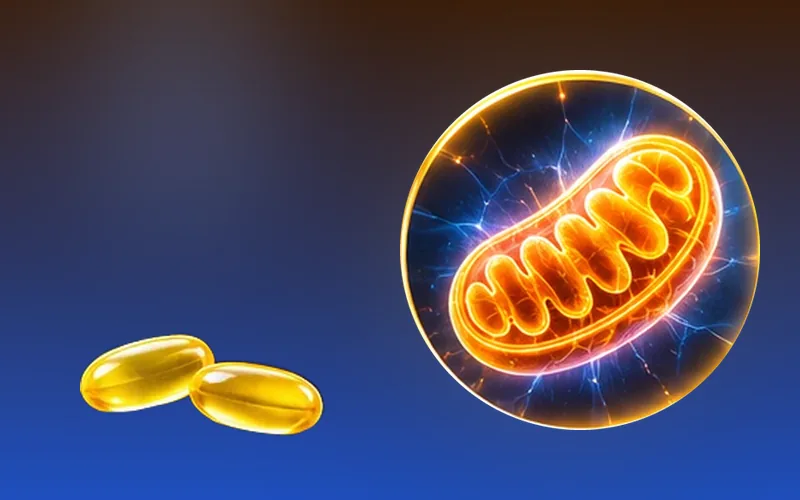
Nerve cells can be extraordinarily long — some stretch from your spine to your toes — and they need a constant supply of energy to keep signals moving. That energy is produced by mitochondria, and two nutrients in Quiet Nerves play supporting roles in that process.*
L-carnitine: the delivery service
Cells burn fatty acids for fuel, but those fatty acids need help getting into mitochondria. Carnitine does that transport job, according to the NIH Office of Dietary Supplements. The body makes carnitine, and you also get it from meat, fish and dairy.
CoQ10: part of the power line
Coenzyme Q10 sits inside mitochondria where it helps pass electrons along the chain of reactions that produces energy. It also has antioxidant activity. Your body makes CoQ10, but levels naturally fall with age. NCCIH summarises the research on CoQ10 supplements and notes important interactions.
Interactions worth knowing
- CoQ10 may interact with warfarin and with insulin.
- Some seizure medicines can lower carnitine levels.
If you take any of these medicines, talk with your doctor before adding a supplement that contains them.
Related on this site
About Quiet Nerves
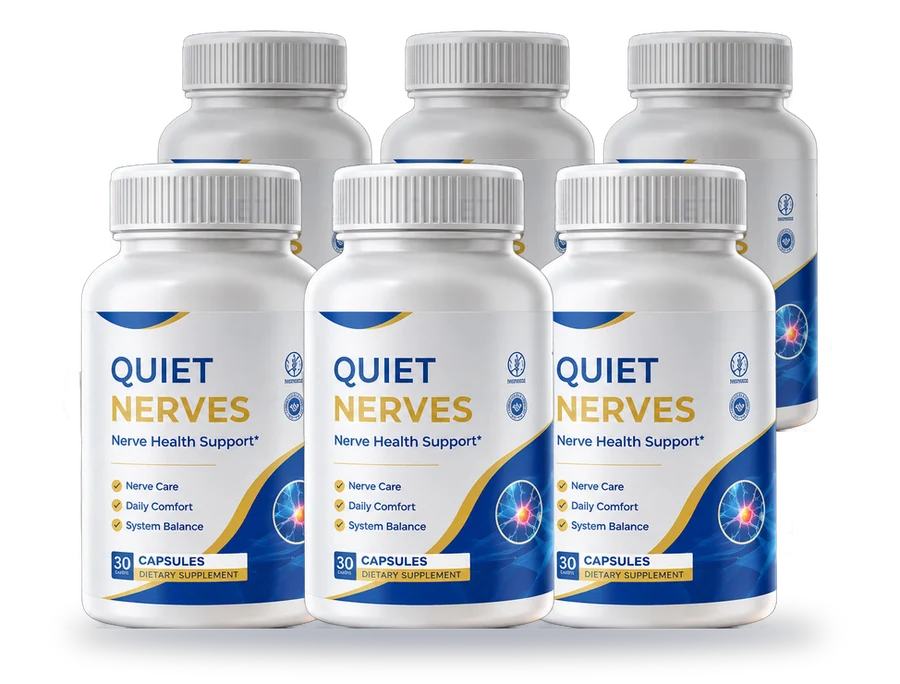
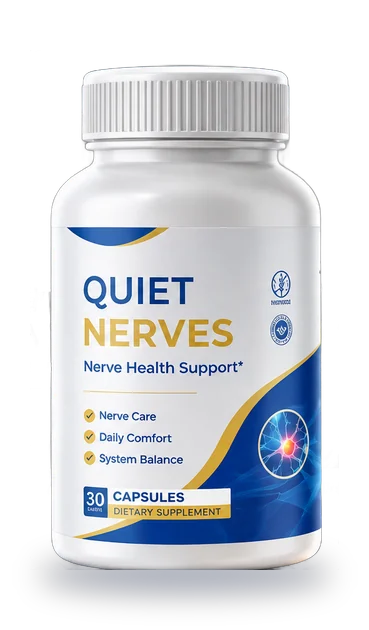
A once-daily capsule with magnesium glycinate, alpha lipoic acid, butcher’s broom, L-carnitine, turmeric extract and CoQ10 to support nerve health.*
View PackagesSources
This article is for general education and isn’t medical advice. Talk with your doctor before starting any supplement.