Magnesium Glycinate and Nerve Health: What to Know
Published 2026-11-21 · Quiet Nerves editorial team
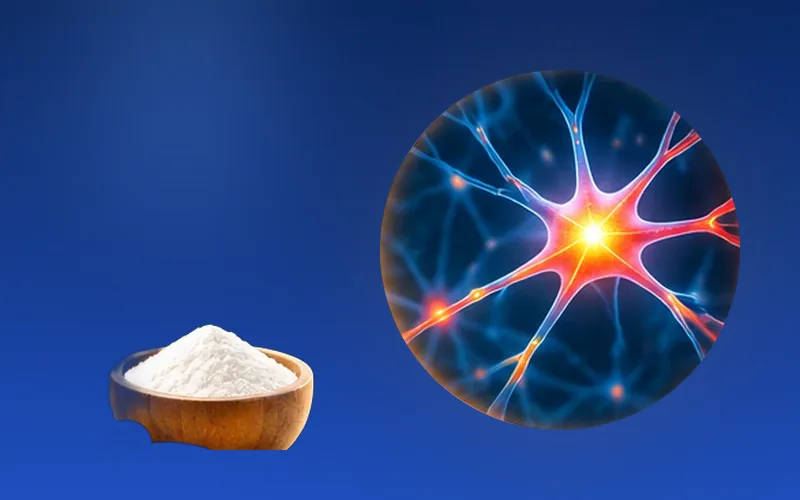
Magnesium is involved in hundreds of reactions in the body, and nerve signalling is one of the most important. Every time a nerve passes a message along, charged particles move in and out of the cell. Magnesium helps move calcium and potassium across cell membranes, which is part of how those signals are carried, according to the NIH Office of Dietary Supplements.
Why the “glycinate” part matters
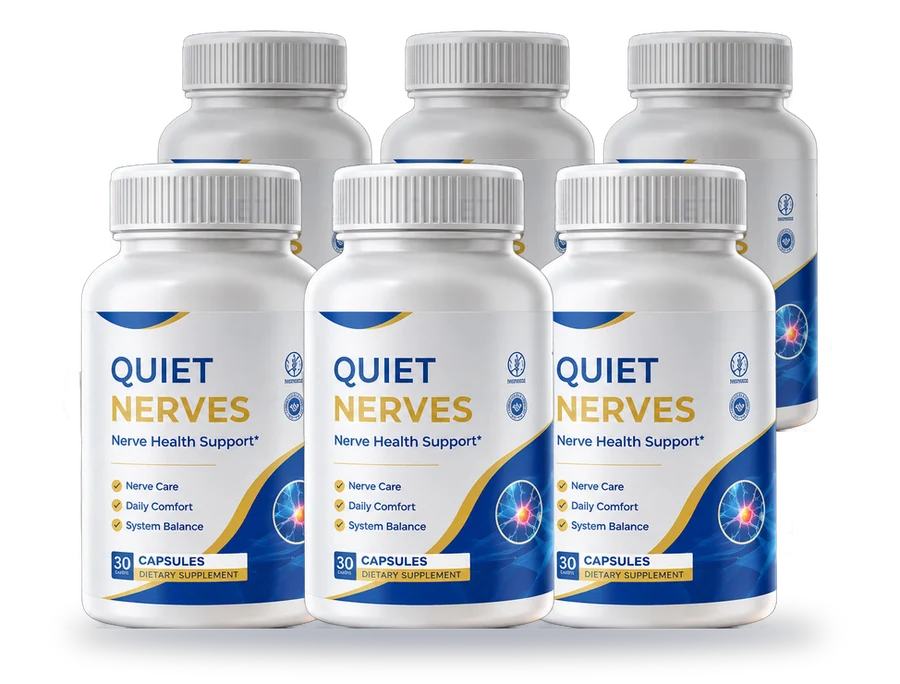
Magnesium in supplements is always paired with another compound. In magnesium glycinate it’s bound to glycine, an amino acid. Many people choose this form for daily use because it’s generally considered gentle on the stomach compared with some other forms. It’s the form used in Quiet Nerves.
Where else you get magnesium
Food is still the foundation. Leafy greens, legumes, nuts, seeds and whole grains are good sources. A supplement is a way to top up your intake, not a substitute for a varied diet.
- Pumpkin seeds, almonds and cashews
- Spinach and other leafy greens
- Black beans and edamame
- Whole-grain bread and oats
Timing and medications
Magnesium can reduce how well some medicines are absorbed. The usual advice is to take it about two hours apart from bisphosphonates (used for bone health) and certain antibiotics. If you take any regular medication, check with your pharmacist about timing.
Related on this site

About Quiet Nerves
A once-daily capsule with magnesium glycinate, alpha lipoic acid, butcher’s broom, L-carnitine, turmeric extract and CoQ10 to support nerve health.*
View PackagesSources
This article is for general education and isn’t medical advice. Talk with your doctor before starting any supplement.